


Buyer representation
What a distressed property is
A plain explainer if you’re new to this.
- What it is
A property under pressure
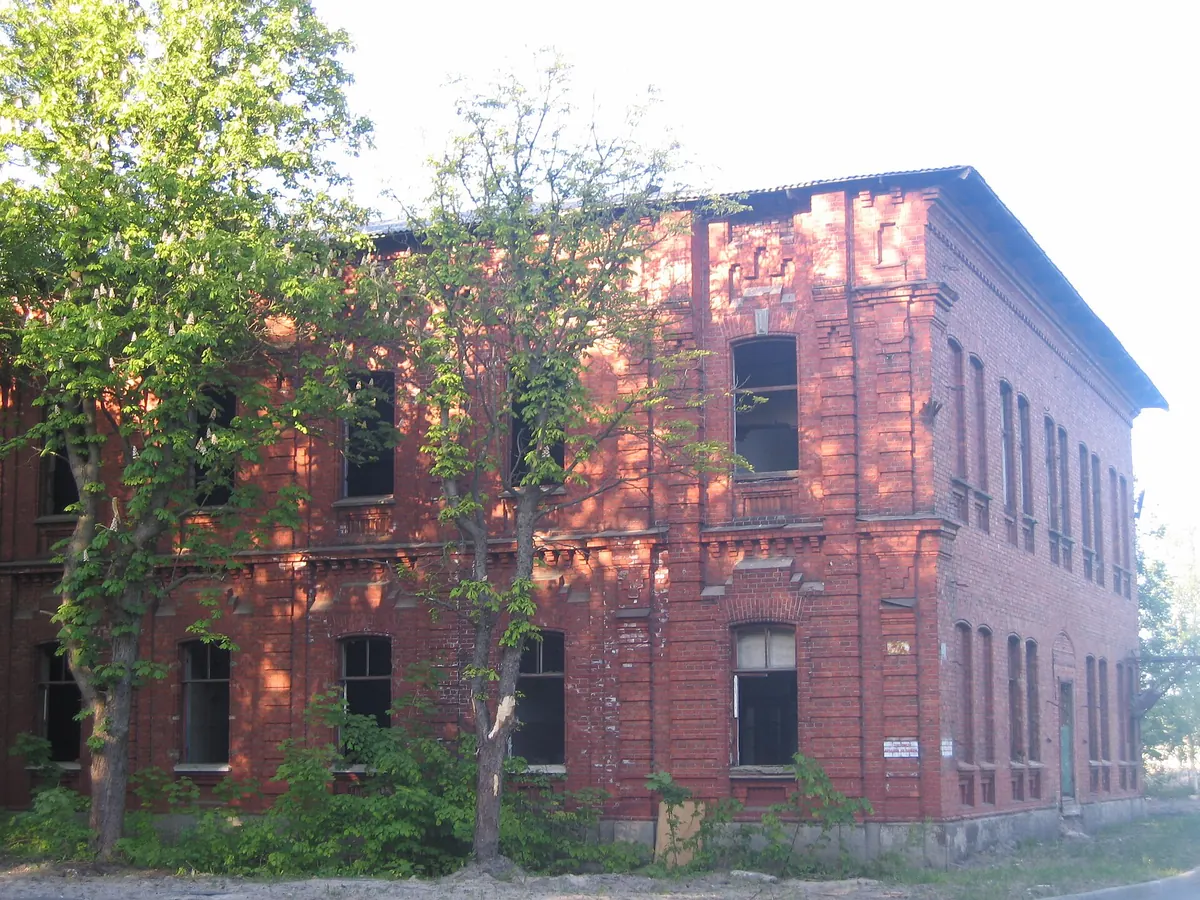
A distressed property is one where the owner or the building is in trouble: missed mortgage payments, high vacancy, deferred repairs, or a court-ordered sale.
- How sales work
Court sales and quick sales
In BC, a lender can apply to court for an order for sale. Those sales need court approval, and offers are usually made with few conditions and on the court’s timeline.
- The risks
Less information, more work
You may get limited documents and no promises about condition. Repairs, re-leasing and legal costs can add up quickly.
- What I check
What it will really cost
I look at title and charges, the court process if there is one, the building’s condition, the leases and vacancies, and what it would cost to fix and fill it.
Where distressed deals come from
Debt coming due at a higher rate, vacancy, deferred repairs, an owner’s health, or a business that’s failing. Sometimes the owner is still in control and wants a quick, quiet sale. Sometimes a lender has already gone to court.
Court-ordered sales in BC
In BC, foreclosure goes through the BC Supreme Court. When a lender gets conduct of sale, the property is usually listed, offers come in subject to court approval, and the judge decides which offer to approve.
Other bidders can show up at the hearing with a higher offer, so the deal you signed may not be the deal that closes. Receiverships work in a similar way, with a court-appointed receiver selling.
What to expect
- As is, where is. Few warranties and limited disclosure.
- Thin information. The seller may not have leases, records or a history of repairs.
- Tight timelines once the court approves, so your financing needs to be ready.
- Deposits set by the terms of sale, and conditions that are hard to negotiate.
How I help
I research the property, the tenants and the reason it’s in trouble, rebuild the numbers from what we can verify, and help you set a price you’re willing to defend in front of a judge. Your lawyer handles the court side.
Questions people ask
Can I buy a foreclosure in BC for a low price?
Sometimes, but the court approves the price, and it wants a fair market value. Other buyers can outbid you at the approval hearing.
Do I get conditions on a court-ordered sale?
Usually fewer than on a normal sale. Many are close to unconditional by the time they reach court, so do your homework before you offer.
Is buying from a motivated owner before court better?
It can be for both sides. The owner may keep more of their equity, and you may get better information and more flexible terms.
What should I gather, ask and watch for?
Documents to gather
- Financing pre-approval
- Accountant’s advice on structure and tax
- Your criteria and limits
- Budget for reports and closing costs
Questions to ask
- What does the lease or the court order or the agreement actually say?
- What reports exist, and how current are they?
- What are the risks if the plan changes?
- How will I exit in a few years?
Common mistakes
- Skipping legal advice on structure
- Too short a condition period
- Assuming the seller’s numbers are right
- No written plan for disagreements or exits
Typical timeline
- Before offersFinancing and structure
- Condition periodTypically 30 to 60 days
- Completion30 to 90 days; court-ordered sales follow the court’s timeline
- AfterOwnership, insurance, management
Typical ranges. Your lease, lender and the City set the real dates.
Go deeper
If you’re looking for more details
Distressed-property checklist
- Title search: every charge, lien and judgment
- Property taxes and utilities owing
- Who is in the building, and on what terms
- Building condition and environmental history
- The court process and the date of the approval hearing
- Your financing, ready for a short completion
Search
Not quite your situation? Search
Next step
Looking at a distressed property?
Send me the listing or the address. I can tell you what I find and what I’d check first.