

Inside the industry
How landlords and listing agents think
Landlords aren’t villains, and their agents aren’t either. They have clear incentives, though, and once you can see them, a lot of lease negotiation starts to make sense. Most care about the building’s value, steady rent and a strong tenant.
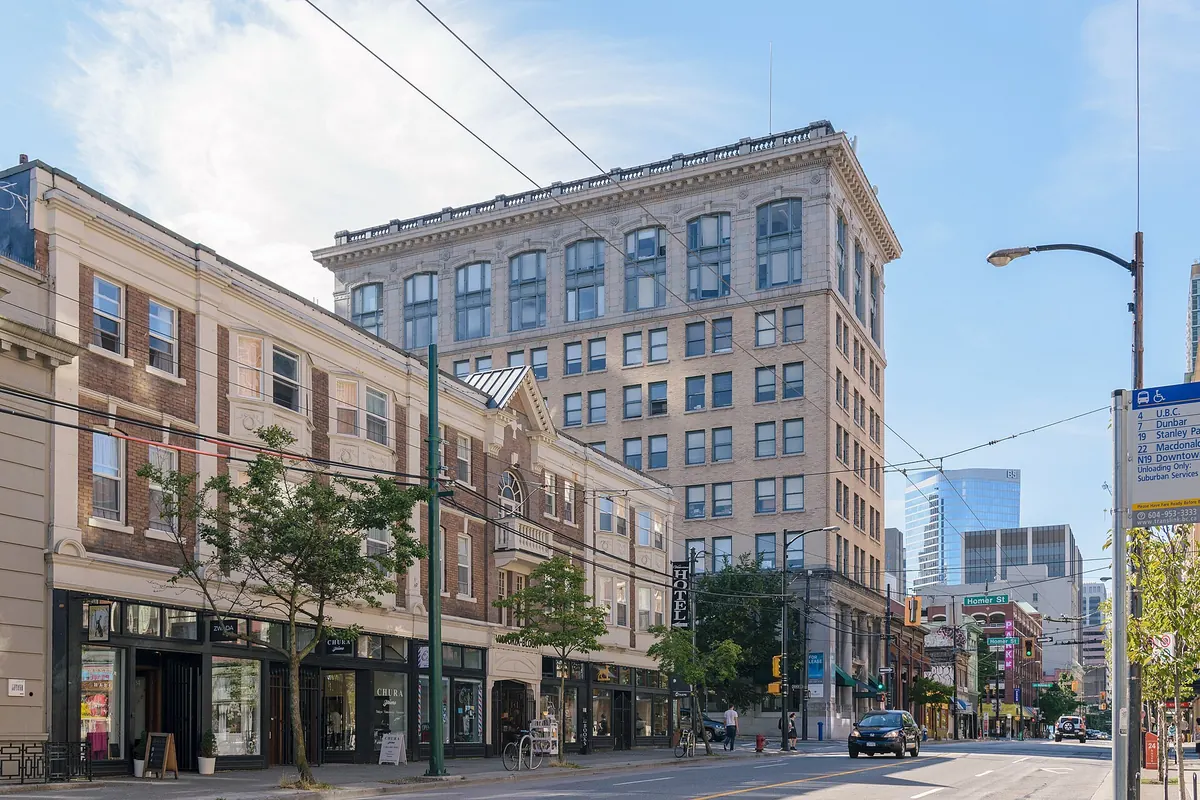

The listing agent works for the landlord
When you call the number on a “For Lease” sign, you reach the landlord’s agent. Their job is to lease the space on the best terms for the landlord, and they’re paid by the landlord.
That’s normal and proper. It just means the friendly person showing you the space is not on your side of the table, however friendly they are.
Why face rent matters so much to a landlord
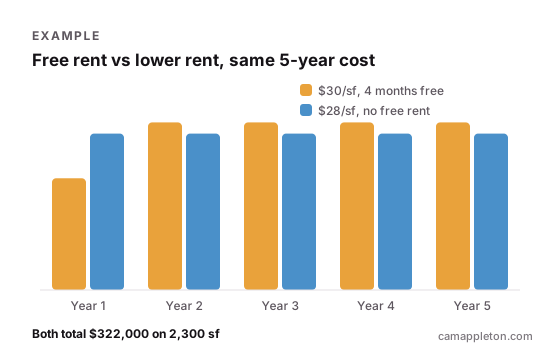
A building’s value is tied to its net operating income. Investors divide that income by a cap rate to get a value. At a 5% cap rate, every extra dollar of annual rent adds about $20 of building value.
So if a landlord lowers your rent by $2 per square foot on 2,300 sf, that’s $4,600 a year, or roughly $92,000 off the building’s value on paper. If they give you the same money as free rent up front, the rent roll still shows the higher number.
That’s why many landlords will say yes to free rent or a bigger tenant improvement allowance long before they’ll move on face rent. Use that.
What else landlords care about
- Vacancy. An empty space earns nothing and still costs taxes, insurance and maintenance. The longer it’s been empty, the more flexible they get.
- Risk. A tenant with strong financials, a guarantee or a deposit is worth more to them than a slightly higher rent from a shaky one.
- Lenders. Many landlords have mortgages with rules about lease terms, rent levels and approvals.
- Their plans. A sale, refinance or redevelopment changes what they want from your lease. See who owns your building.
Different landlords value you differently
The same tenant is worth more to one landlord than another. One has three empty units, another has a waiting list. One wants your use in the building, another doesn’t.
That’s why I ask several landlords for proposals at once. The spread between the best and worst offers is often bigger than people expect, and you only find it by asking.
Go deeper
If you’re looking for more details
Why landlords care about the face rate
A building’s value depends a lot on its rent roll. Many landlords would rather give you free rent or a bigger allowance than drop the rent on paper, because the face rate supports the value of the building. That gives you room to negotiate in other places.
What makes you an attractive tenant
- Strong financials, or a solid business plan
- A longer term
- A use that fits the building and its other tenants
- Little work needed to the space
- Being ready to move quickly
Search
Not quite your situation? Search
Next step
Have someone at the table who works for you.
Book a quick call. I can tell you how I’d approach your landlord.