

Buying
Your location isn’t working
Sometimes the business is right and the spot is wrong. I help you separate the two, then work out whether to fix the lease, move, or hand the space to someone it suits better. Start with your sales numbers and your lease.
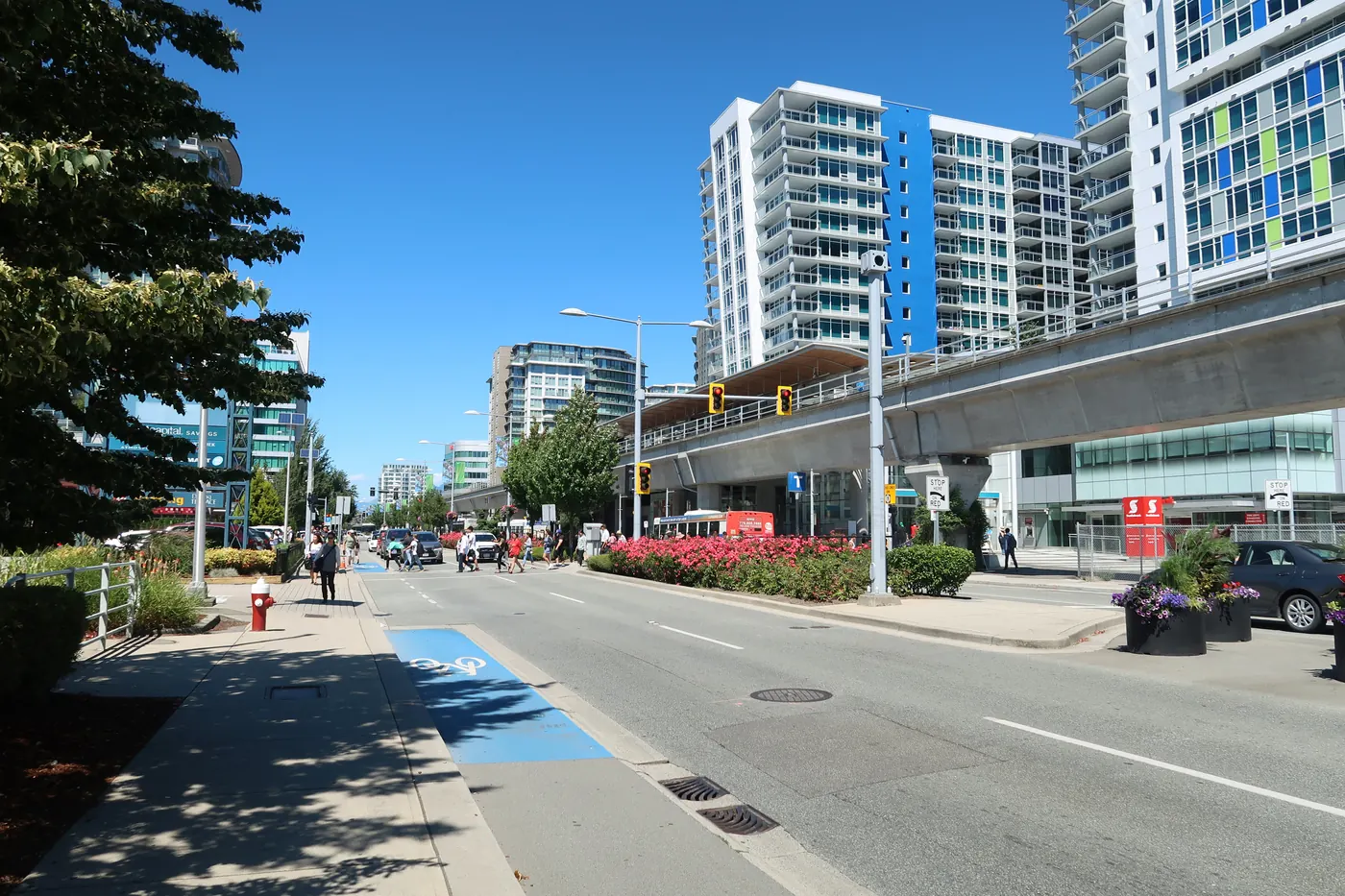

The problem
When foot traffic or visibility isn’t there, the rent becomes harder to carry every month. Staying put and hoping can drain the business. Leaving without a plan can leave you owing the rest of the lease.
What I do about it
First I help you work out whether it’s the location or something else. Then I look at the options in order of ease: better signage or terms, a rent change, a sublease or assignment, an early exit, or a move to a better spot.
What your landlord wants
A landlord wants an occupied, busy property. A struggling tenant is a risk to them too, so many would rather adjust terms or help you transfer the lease than end up with an empty unit.
Where everybody wins
A clear proposal that protects the landlord’s income gives you a way forward, whether that’s staying on better terms or moving on cleanly.
First, find out if it’s the location
Before anything else, it’s worth an honest look. Is it foot traffic, visibility, parking, the side of the street people walk on, a co-tenant that left, construction, or something about the business itself? I can walk the block with you and look at it the way a marketer would, because for 15 years that was my job.
If the location is the problem
- Renegotiate. If you’re a good tenant in a soft spot, some landlords will trade rent relief now for a longer commitment, or help with signage and visibility.
- Relocate. A move costs money, so it has to buy you something measurable, such as better traffic, a corner, or a stronger co-tenant.
- Sublease or assign. Another business may be a better fit for the space. See assignment and sublease.
Picking the next spot
Retail and restaurant locations are about who walks past, when, and why. I compare corridors against your actual customers before we tour, look at end caps versus in-line units, and check things first-timers miss: venting, power, grease trap, patio rules, signage bylaws and parking. More on retail and restaurant space.
Questions people ask
Can I get out of a retail lease if business is slow?
Slow sales alone don’t usually end a lease. Common routes are negotiating with the landlord, assigning the lease to a buyer of your business, or subletting. Check your lease and talk to a lawyer before you stop paying anything.
What should I gather, ask and watch for?
Documents to gather
- Your sales by month at this location
- Your lease: term left, sublease, assignment, use and exclusivity clauses
- Any co-tenancy or landlord promises in writing
- Ideas for a better location
Questions to ask
- Can signage, hours or the use clause change?
- Would the landlord agree to a rent change or a shorter term?
- Can I sublease or assign, and on what terms?
- What does it really cost to move?
Common mistakes
- Blaming the location before checking other causes
- Breaking the lease without a plan
- Moving without checking the new area’s traffic and rents
- Missing the window to exit at renewal
Typical timeline
- Weeks 1 to 4Look at the numbers and the lease
- Months 1 to 3Try the easy fixes; talk to the landlord
- Months 3 to 9Sublease, assign, or plan a move
- At expiryLeave cleanly or renew on better terms
Typical ranges. Your lease, lender and the City set the real dates.
Go deeper
If you’re looking for more details
Questions to ask before you decide
- Has the foot traffic changed, or have my customers changed?
- Is it the location, or the visibility and signage?
- What would it cost to stay and fix it, compared with moving?
- How much term is left, and what are my exit options?
Your options
- Fix it in place: better signage, a different storefront, new hours, marketing.
- Move within the building to a better unit, if the landlord has one.
- Sublease or assign and move on.
- Negotiate an early exit with the landlord.
- Wait out the term if it’s short, and plan the move.
Run the numbers
- Rent-to-sales checkA quick check landlords and lenders use: total occupancy cost divided by sales.
- Office and store moving checklistA typical commercial move takes 6 to 12 months from first search to moving day, longer with a build-out or permits.
- Lease renewal deadline countdownMost commercial leases with a renewal option need written notice by a set date, often 6 to 12 months before the lease ends.
Search
Not quite your situation? Search
Next step
Find out if it’s the spot or the business.
Tell me where you are and what you’re seeing. Happy to walk the block with you.