

Buying
Buying land
With land, you’re buying what you can do with it. That depends on zoning, servicing, access and the ground itself, and each one can change the value a lot. Expect longer condition periods than for a building, and budget for holding costs: property tax, interest and insurance while you plan.

Buyer representation
What buying land involves
A plain explainer if you’re new to this.
- What it is
A site without much on it yet
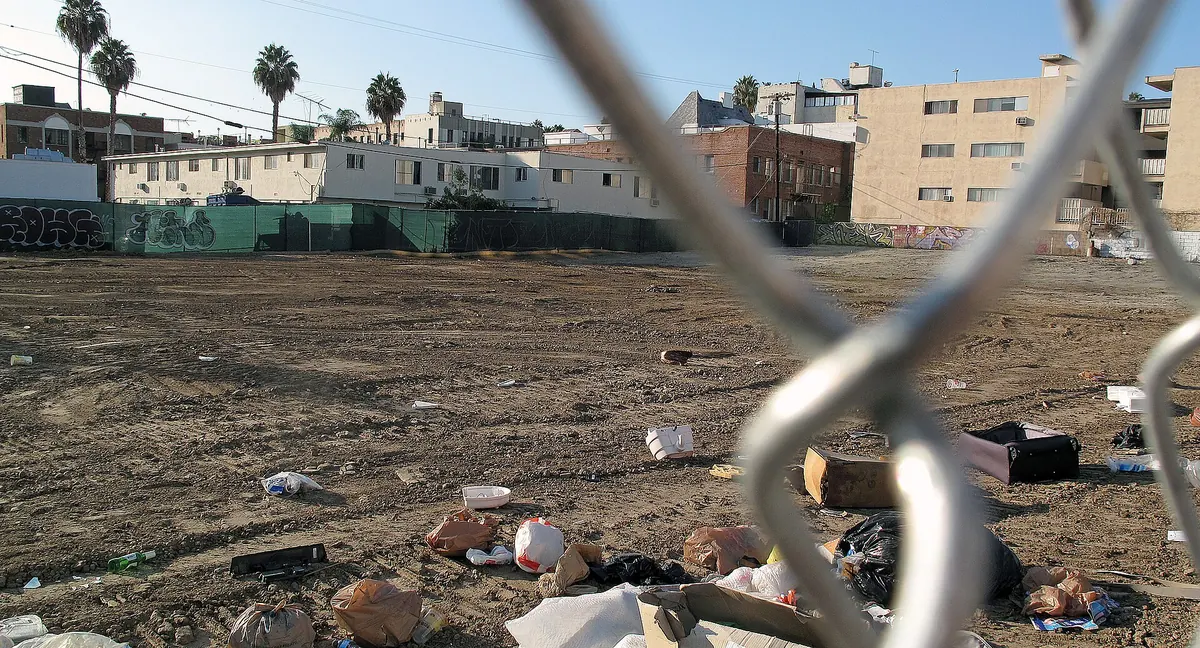
Land can be bare, used for parking or storage, or have an old building you plan to replace. You’re buying what can be built there.
- How value works
Zoning sets the potential
What the zoning and the City’s plans allow largely sets the value. Check City of Vancouver zoning or the local municipality. Rezoning is possible but takes time and money and isn’t certain.
- BC specifics
ALR, servicing and environment
Land in the Agricultural Land Reserve is governed by the Agricultural Land Commission. Lenders usually want a larger down payment on land. Former gas stations or industrial sites may need an environmental review.
- What I check
What you can build and what it costs
I check zoning and plans, servicing, access, title charges and covenants, environmental history, and the timeline and cost to get to a building permit.
General information, not tax or legal advice. Rules and rates change, and every situation is different. Talk to your lawyer and accountant before you act on anything here.
What sets the value
- Zoning and the official community plan: what you can build now and what the city might allow later.
- Servicing: water, sewer, storm and power, and who pays to bring them in.
- Access and shape: frontage, lane access, slope and setbacks.
- The ground: geotechnical issues, floodplain, trees and environmental history.
- Agricultural Land Reserve: land in the ALR has strict limits on non-farm use.
Holding costs
Land often earns little while you wait. Budget for property tax, interest, insurance and security.
Conditions to consider
Zoning confirmation, environmental and geotechnical reports, financing, and enough time to talk to the city. Long conditional periods are common on land.
Land in detail
What drives value
- What the zoning and official community plan allow, and how long approvals will take.
- Servicing: water, sewer, storm and road access.
- Soils, slope, environmental history and any streams or setbacks.
Due diligence
- Title, charges and covenants, plus any rights of way.
- Zoning, the official community plan and any rezoning or development applications.
- Geotechnical and environmental reports. A seller may need to give a Site Disclosure Statement for some past uses.
- Holding costs: property tax, interest and insurance while you plan.
BC and Vancouver specifics
- Land in the Agricultural Land Reserve is limited to farm use unless the Agricultural Land Commission approves otherwise, including most subdivision.
- Vacant land is classed by BC Assessment according to its use and zoning. See BC Assessment property classes.
- Development cost charges and community amenity contributions can add a lot to the cost of building.
Questions to ask
- Is the land in the ALR?
- What can be built today without a rezoning?
- Who pays for servicing to the lot line?
GST. The sale of commercial property is generally subject to GST. If the buyer is registered for GST, the buyer usually self-assesses instead of paying it to the seller. See the CRA guidance on real property and GST/HST and talk to your accountant.
Check the ALR first
About 4.6 million hectares, roughly 5% of BC, is in the Agricultural Land Reserve. Non-farm use and subdivision there need approval from the Agricultural Land Commission. Check the ALC’s maps before you price land or plan a use for it.
What to check before you value land
- ALR applications go through the local government first. It reviews the application and decides whether to forward it to the Agricultural Land Commission.
- Zoning and planning: the zoning, the official community plan designation, any development permit areas, and servicing for water, sewer, storm and road access. Value the land on what you can build, not what you hope to.
- Streams: in most of Metro Vancouver outside the City of Vancouver, development near fish-bearing streams falls under the Riparian Areas Protection Regulation, which can require an assessment and setbacks.
- Site limits: floodplain, slope, geotechnical conditions and known archaeological sites can all cut the buildable area.
- Costs to build: development cost charges, amenity contributions and the rezoning timeline often decide whether a land deal works.
- Contaminated land isn’t automatically a dead deal. Price the clean-up, then decide.
- Watch the agendas: Metro Vancouver is mostly infill and redevelopment. Council and planning agendas show what’s coming.
Questions people ask
Can I build what I want on the land?
Only what the zoning and the city’s plans allow. Check with the city and a planner before you remove conditions.
What is the Agricultural Land Reserve?
A provincial zone that protects farmland. Land in the ALR has strict limits on non-farm use and subdivision.
What should I gather, ask and watch for?
Documents to gather
- Rent roll and every lease
- Two to three years of operating statements
- Zoning, OCP designation and any development applications
- Title search and any charges on title
Questions to ask
- What is the real NOI after vacancy and repairs?
- What major work is coming in the next five years?
- What does the zoning allow?
- Why is the owner selling?
Common mistakes
- Relying on the listing numbers
- Too short a condition period
- Skipping reports to save money
- Not budgeting for PTT and GST
Typical timeline
- Before offersFinancing pre-approval
- Condition periodTypically 30 to 60 days; longer for land and environmental work
- Completion30 to 90 days
- AfterTake over leases, insurance and management
Typical ranges. Your lease, lender and the City set the real dates.
Go deeper
If you’re looking for more details
Land checklist
- Zoning, OCP and any rezoning history
- Servicing and connection costs
- Environmental and geotechnical reports
- Floodplain, trees and ALR status
- Holding costs while you plan
Search
Not quite your situation? Search
Next step
Looking at land?
Send me the address. I can pull whatI can pull what I can on zoning and servirsquo;s available on zoning and servicing and tell you what I’d check.