

Inside the industry
Who owns your building, and why it changes your negotiation
The same lease request gets a different answer from a pension fund, a developer and a family that has owned the building for 40 years. Knowing which one you’re dealing with is half the negotiation. You can usually find the owner on a BC title search.
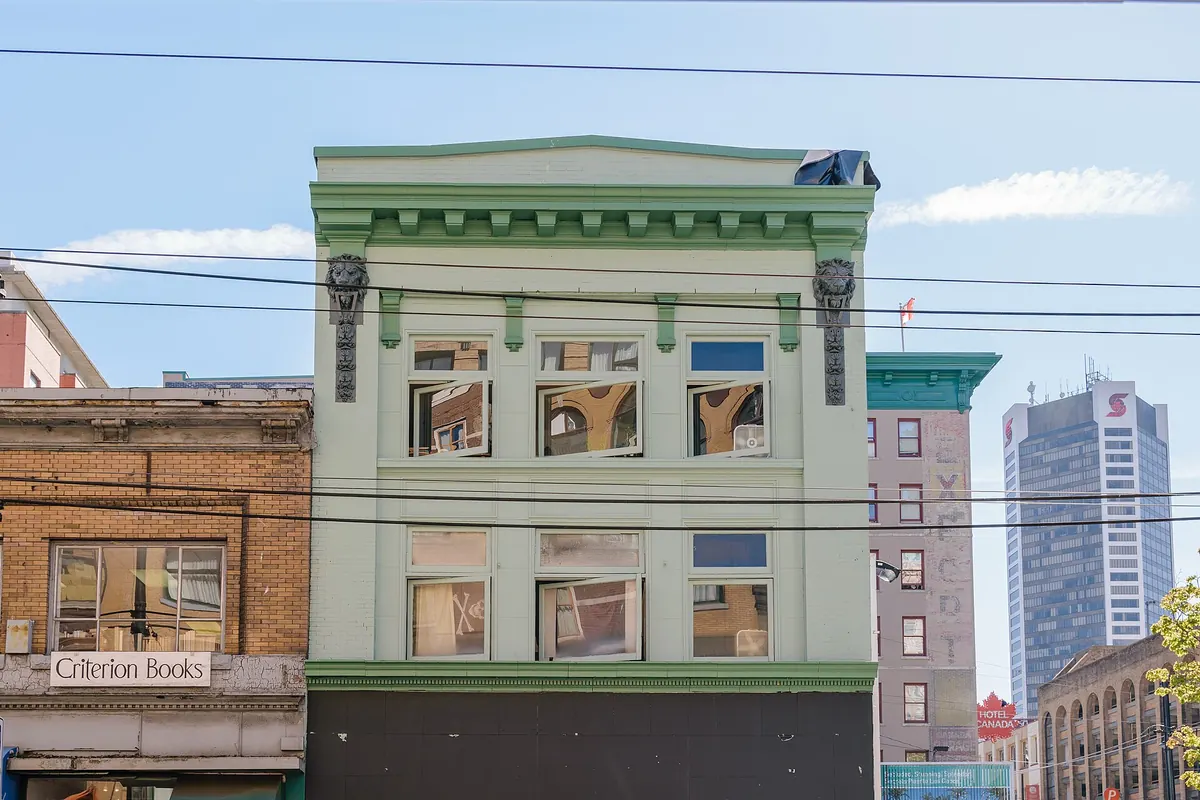

Three kinds of owners
Institutional owners. REITs, pension funds, investment funds and large corporations. They run portfolios with policies, approval chains and lenders who care about the rent roll. Expect standard lease forms, slower decisions and less flexibility on face rent, but often real budgets for tenant improvements and free rent.
Professional owners. Syndicators, developers, merchant builders and full-time real estate owners. They run the building as a business and decide faster. A developer with a redevelopment plan will care a lot about demolition clauses and term length.
A full-time owner with a few buildings may trade flexibility for a reliable tenant.
Private owners. Individuals, family partnerships and small groups. Decisions can be quick and personal. Relationships matter, and so does how much the owner understands the market.
Some are very sharp. Some haven’t changed their lease form since 1994.
Why owners do what they do
Owners buy for income, growth, returns or strategy. They sell because of a problem (debt, vacancies, a tired building), a change (retirement, an estate, a move), an opportunity elsewhere, or a price too good to pass up.
And they hold when the property works, when selling doesn’t make financial sense, when they’re waiting for a better market, or when it’s personal.
Each of those tells you something about how your landlord will treat your lease:
- An owner preparing to sell or refinance wants a full building with long leases at strong face rents. That works in favour of a tenant willing to commit, usually in the form of free rent or allowances.
- An owner with a problem, like empty units, needs you more than you might think.
- An owner waiting for redevelopment wants short terms and a demolition clause. You want notice periods and compensation if that clause is used.
- A personal owner may care about who you are and what your business does. A good story helps here.
How I use this for you
Before we negotiate, I find out who owns the building, how long they’ve owned it, what else they own nearby and what the building’s vacancy looks like. Most of it is public record, so it’s quick homework. The rest comes from asking the landlord’s agent a few direct questions.
Go deeper
If you’re looking for more details
Owner types and what they usually care about
| Owner | Usually cares about |
|---|---|
| Large institution or REIT | Process, consistency, the face rate, strong tenants |
| Private family owner | Long relationships, low vacancy, the person across the table |
| Developer | Future redevelopment, short terms, flexibility |
| Owner-occupier | Their own business needs first |
You can often look up the registered owner through the BC Land Title and Survey Authority for a small fee.
Search
Not quite your situation? Search
Next step
Know who you’re really negotiating with.
Send me the address. I can tell you what kind of owner it is and what that means for your ask.