

Residential
Buying commercial property from outside Canada
How the foreign buyer ban, BC transfer taxes, Goods and Services Tax (GST) and non-resident tax rules apply when you buy commercial or larger rental property in BC from outside Canada.
For: Investors outside Canada · Foreign companies
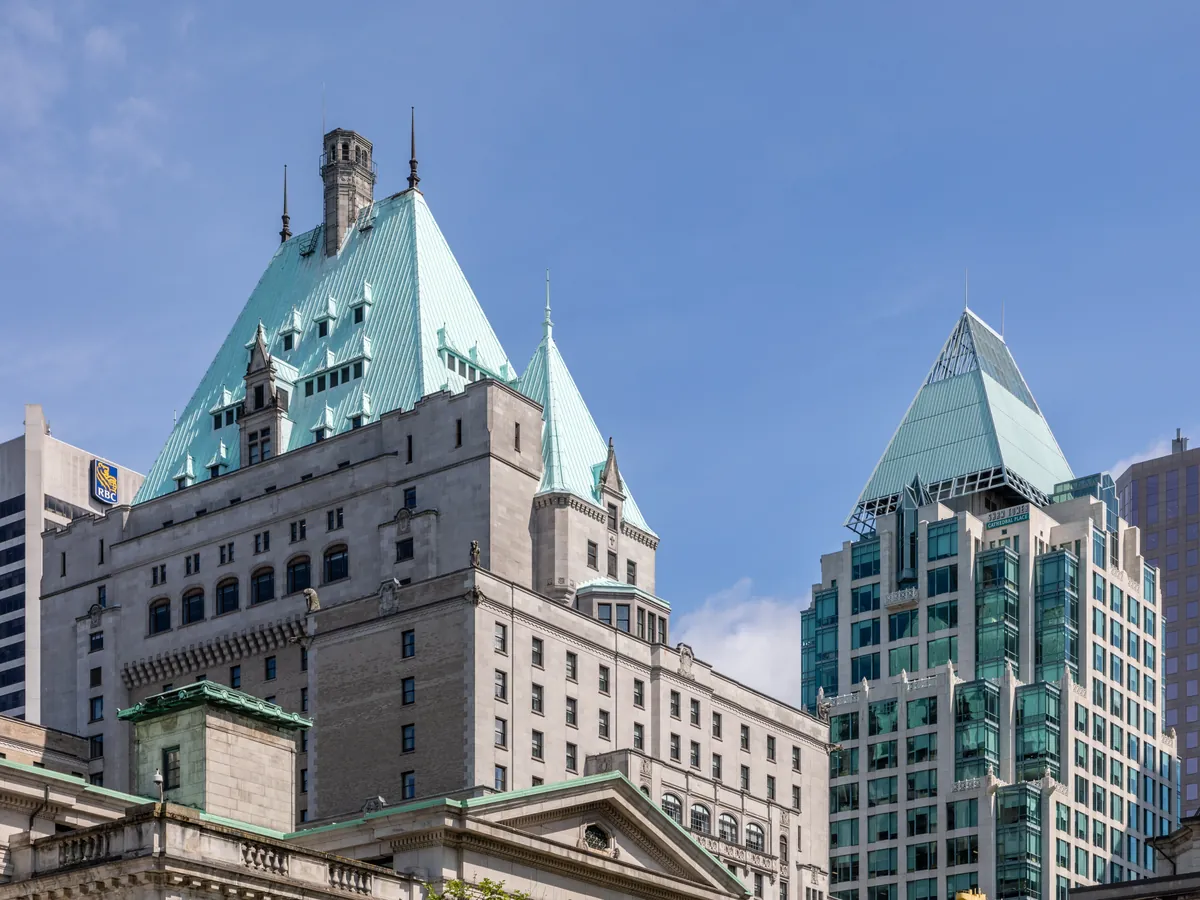

Foreign Buyer Ban in a nutshell (commercial)
This page is for you if you live outside Canada, or run a foreign company, and want to buy commercial property or a larger rental building in BC.
The federal foreign buyer ban is about homes. It generally doesn't cover offices, retail, industrial, buildings with four or more units, or vacant land.
By law the ban ends January 1, 2027. Budget 2026 (November 5, 2026) proposes keeping it on existing homes until January 1, 2029, and exempting new homes. That isn't law yet.
BC's 20% extra transfer tax for foreign buyers applies only to the residential part of a property, so a mixed-use building is taxed on its homes, not its shops.
You still pay regular property transfer tax, usually GST, and when you sell later the buyer may hold back part of the price until the tax authority clears you.
Plan the ownership structure, financing and tax with a BC lawyer and an accountant before you make an offer.
- Are you a Canadian citizen or permanent resident?Or a Canadian company not controlled by non-CanadiansYesThe ban doesn't apply to you.
- Is it commercial or industrial?Office, retail, warehouse, hotel or similarGenerally not coveredThe ban doesn't reach it. Regular transfer tax and GST usually apply.
- Is it residential with four or more units?An apartment building, for exampleGenerally not coveredThe federal ban stops at three units, but BC's extra transfer tax still applies to residential value.
- Is it mixed-use?Shops with homes aboveCheck the homesIf the homes are separate strata lots, those units can be caught by the ban. BC's extra tax applies to the residential part. Ask a BC lawyer.
- Is it a house, condo or 1–3 unit building?In a city or townCoveredSee the residential foreign buyer page for the exceptions.
A simplified guide, not legal advice. Companies controlled by non-Canadians count as non-Canadian under the ban.
Transfer taxes at purchase$268,000
Example only, in CAD. Regular transfer tax is 1% on the first $200,000, 2% up to $2 million and 3% above that. GST, legal fees and lender costs are extra, and the split between residential and commercial value comes from BC Assessment classes. There’s no extra foreign buyer tax on the commercial part.
What still applies to commercial property
How you hold the property
Many foreign buyers hold BC property through a Canadian or foreign company, or with partners. The choice affects tax in Canada and at home, transfer tax, financing and how easily you can sell later. I can work with your lawyer and accountant on the real estate side, but the structure is their call. I can’t help structure a purchase to get around the ban or transfer taxes.
Financing as a non-resident
Canadian lenders often ask non-residents for a larger down payment, more documents and proof of where the money comes from, and some won’t lend at all. I can introduce you to commercial mortgage brokers early, so you know your limit before you offer. Anti-money-laundering checks apply to you as a buyer, so have identity and source-of-funds documents ready.
GST
GST at 5% generally applies to commercial property. Whether you pay it to the seller or account for it yourself depends on whether you’re registered for GST. Ask your accountant before you sign, because it changes your cash needs at closing.
When you sell later
If you’re a non-resident when you sell, you’ll need a clearance certificate from the Canada Revenue Agency. Without one, the buyer can hold back a large share of the price (25%, or 50% for some property) and send it to the tax authority. Your lawyer should start the paperwork early, since it can take time.
Very large deals
Federal review of foreign takeovers of Canadian businesses only applies to very large deals: for 2026, about $1.45 billion in enterprise value for most private investors. Separate national security rules can apply to deals of any size. Most single-building purchases are far below that threshold, but ask your lawyer if you’re buying an operating business.
Vacant land and development
Vacant land and buying for development are no longer caught by the federal ban. BC’s extra transfer tax can still apply to land classed as residential. Zoning, rezoning timelines and municipal charges matter more than usual, so read the land buying page before you commit.
Where the ban stands
The ban started January 1, 2023, and was extended to January 1, 2027. Budget 2026, tabled November 5, 2026, proposes extending it for existing homes to January 1, 2029, while exempting new homes. Ottawa says legislation and regulations will follow, so until they pass, the January 1, 2027 date stands. For mixed-use buildings in Vancouver with strata homes above shops, that date matters. The rules treat agreeing to buy, even with conditions, as a purchase, so the date you sign counts, not just completion. For the exceptions and the BC and Vancouver taxes on homes, see buying a home in Vancouver from outside Canada.
Sources
- Prohibition on the Purchase of Residential Property by Non-Canadians Act and its regulations (Justice Laws)
- Canada Mortgage and Housing Corporation (CMHC) is Canada’s federal housing agency. CMHC: the prohibition, exceptions and census area map
- Budget 2026, Chapter 3 (proposed extension to 2029)
- Finance Canada: extension to January 1, 2027 (February 2024)
- BC: additional property transfer tax
Last checked November 2026.
How I can help
- I can check how a property is classed by BC Assessment, so you know early which part could face the extra transfer tax.
- I can tour properties for you on video and send the documents, so you can screen buildings before you fly in.
- I can send the document request and line up inspections, environmental reports and estoppels on day one of your subject period.
- I can keep your lawyer, accountant and lender working to the same dates.
Good questions to ask
- Should I buy personally, through a Canadian company or through a foreign one? (Your lawyer and accountant.)
- Is any part of this property classed as residential?
- How much down payment will lenders want from a non-resident?
- Will GST apply, and who accounts for it?
- What will I need to do when I sell to get a clearance certificate?
These rules change and depend on your facts. Get advice from a BC lawyer, and an accountant for the tax, before you make an offer. Nothing on this page is legal or tax advice.
Next step
Want to talk it through?
Tell me what you’re looking for and your timing. I can help you make a plan.
Search